
How to Defend a Citric Acid Labeling Lawsuit
Trade publications and plaintiff-side litigation trackers show a sharp rise in citric acid labeling suits against food manufacturers. Experienced food-law counsel monitor industry press, docket filings, and demand letters to anticipate risk trends, and citric acid litigation has become increasingly relevant. This series explains how to defend a citric acid lawsuit and how to reduce exposure before litigation begins.
Served with a complaint or a demand letter? These notices carry hard response deadlines. Request same-day intake — call (800) 559-4628 or schedule a consultation with one of our attorneys.
Characterizing Flavor: Simple Purpose, Complex Risks
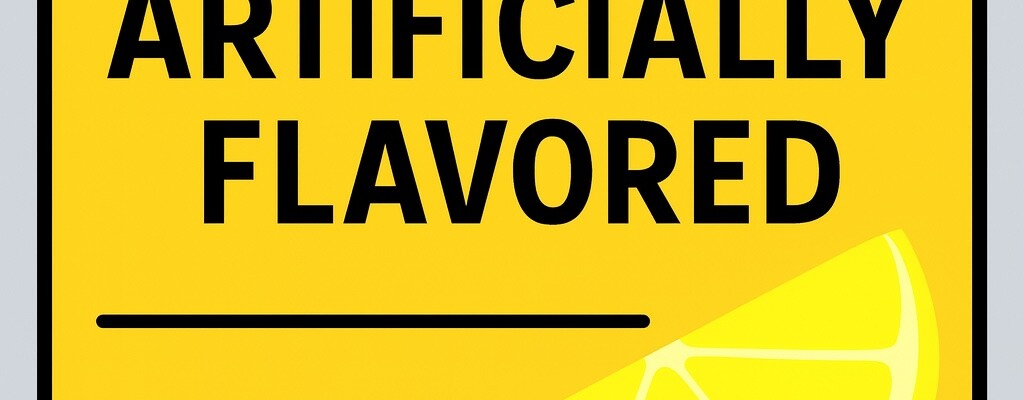
Citric acid lawsuits are based on 21 CFR 101.22, the “characterizing flavor rule.” This is the rule that gives products the phrases “naturally flavored” or “artificially flavored.” Most consumers know these phrases without necessarily understanding the bigger rule — simply because they shop. Food manufacturing professionals must develop a deeper understanding of the rule in order to mitigate risks to their business. The rule requires manufacturers to make front-of-pack disclosure statements on food products with a characterizing flavor, such as “lemon-flavored” or “apple-cinnamon-spiced.”
Essentially, citric-acid plaintiffs’ firms stretch the rule to claim any product with citric acid must say “artificially flavored” on the front of the pack in order to comply. Virtually all of the citric acid sold as a commercial ingredient is artificially sourced. Citric acid is not a “flavor” under the natural-flavor definition (21 CFR 101.22, Cornell LII), but it may shape taste if present above certain amounts. Plaintiffs’ firms use that nuance to plead misbranding against food manufacturers, creating class-action lawsuits alleging fraud and misbranding.
This series gives food-business leaders a deeper understanding of the rule so they can defend a citric acid lawsuit. It covers:
- Understanding how the rule really works and where citric acid fits into 21 CFR 101.22;
- Potential defenses to claims and how to assert them;
- How to pick fights carefully and economically, and identify which lawsuits need to be defended;
- Settlement strategies, including when settlement is appropriate as a loss-mitigation strategy;
- How to shape product labeling and supplier agreements to avoid becoming a target altogether.
The citric-acid litigation trend is accelerating
This is not a one-off. Plaintiff-side trackers and the food-industry trade press both report that characterizing-flavor filings against beverage, juice, candy, and supplement brands have risen in recent years, concentrated in plaintiff-friendly venues. Because the pleading bar is low and citric acid is in almost everything, the exposure is category-wide. A manufacturer that has not been sued yet is best understood as a manufacturer that has not been sued yet.
Prevent the next wave with proactive label sweeps
Citric acid is a category-wide risk for beverage, juice, and candy makers. The single most cost-effective response is not litigation at all — it is prevention: routine label sweeps, supplier-spec warranties, and indemnification that move the risk back onto the parties who control the formulation and the label. Our Fractional General Counsel service plans fold ongoing label review and supplier-agreement work into one flat monthly fee, which is how brands insulate themselves from the next wave. The final article in this series walks through exactly how that works.
Facing a characterizing-flavor citric-acid claim? Call (800) 559-4628 or schedule a free consultation with one of our attorneys.
 Jason Foscolo
Founder of The Food Law Firm — fractional general counsel for food & beverage businesses nationwide.
Jason Foscolo
Founder of The Food Law Firm — fractional general counsel for food & beverage businesses nationwide.